

Credit Card Payment Methods Explained

When it comes to managing your finances, understanding how credit card payments work is essential. Whether you're buying traditional Indian wedding essentials or spiritual items online, knowing the ins and outs of credit card transactions can make your shopping experience smoother and more secure. In this post, I’ll walk you through the basics of credit card transactions, explain the different ways you can pay your credit card bill, and share some tips to help you stay on top of your payments.
Understanding Credit Card Transaction Basics
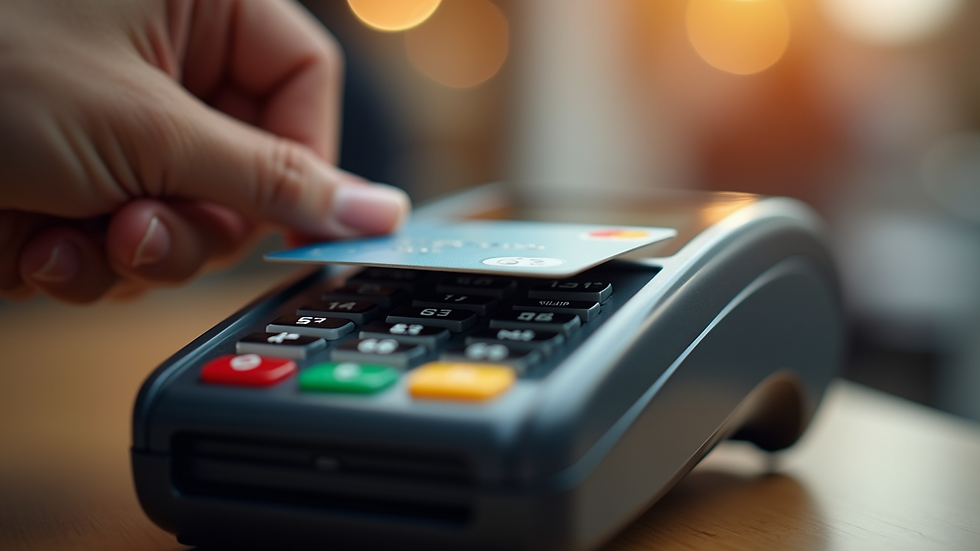
Let’s start with the fundamentals. A credit card transaction is a process where you use your credit card to make a purchase or pay for a service. The transaction involves several steps and parties, including you (the cardholder), the merchant, the card network (like Visa or Mastercard), and the bank that issued your card.
Here’s a simple breakdown of what happens when you swipe or enter your card details:
Authorization - The merchant sends your card information to the bank to check if you have enough credit.
Authentication - The bank verifies your identity and approves or declines the transaction.
Clearing - The transaction details are sent to the card network for processing.
Settlement - The bank transfers the money to the merchant’s account, and your credit card balance is updated.
This process usually happens in seconds, making credit cards a fast and convenient payment option.
How Credit Card Transactions Affect Your Finances
Using a credit card wisely can help you manage your budget, especially when purchasing important items like spiritual gifts or wedding essentials. However, it’s important to remember that every transaction adds to your credit card balance, which you’ll need to pay back.
Here are some key points to keep in mind:
Interest Charges: If you don’t pay your full balance by the due date, interest will be charged on the remaining amount.
Credit Limit: Your card has a maximum spending limit. Exceeding it can lead to declined transactions or fees.
Payment Due Date: Always note your payment due date to avoid late fees and negative impacts on your credit score.
By understanding these basics, you can use your credit card as a helpful financial tool rather than a source of stress.
What are the ways to pay a credit card bill?
Paying your credit card bill on time is crucial. Luckily, there are several convenient methods to do this, so you can choose what works best for you.
1. Online Banking
Most banks offer online portals or mobile apps where you can log in and pay your credit card bill directly from your savings or checking account. This method is fast, secure, and allows you to schedule payments in advance.
2. Auto-Debit
Setting up an auto-debit ensures your minimum payment or full balance is automatically deducted from your bank account every month. This helps avoid missed payments and late fees.
3. UPI Payments
In India, Unified Payments Interface (UPI) apps like Google Pay, PhonePe, and Paytm allow you to pay credit card bills instantly using your smartphone. Just link your credit card or bank account and follow the prompts.
4. NEFT/RTGS Transfers
You can also transfer funds to your credit card account using NEFT or RTGS through your bank. This is useful if you prefer traditional bank transfers.
5. Physical Payment at Bank Branch or ATM
If you prefer offline methods, you can visit your bank branch or use an ATM to deposit cash or cheque payments towards your credit card bill.
6. Payment via Cheque or Demand Draft
Mailing a cheque or demand draft to your credit card issuer is another option, though it takes longer to process.

Tips for Managing Your Credit Card Payments Effectively
Managing credit card payments can feel overwhelming, especially when juggling multiple cards or expenses. Here are some practical tips to keep your payments on track:
Set Reminders: Use your phone or calendar to remind you a few days before your payment due date.
Pay More Than the Minimum: Paying only the minimum amount can lead to high interest charges. Try to pay your full balance or as much as you can.
Keep Track of Your Spending: Regularly review your credit card statements to spot any unauthorized transactions or errors.
Use Rewards Wisely: Many credit cards offer rewards or cashback on purchases. Use these benefits to save on your next purchase of spiritual or wedding essentials.
Avoid Cash Advances: Cash advances often come with high fees and interest rates. Use them only in emergencies.
By following these tips, you can maintain a healthy credit score and enjoy the convenience of credit cards without the stress.
Why Choosing the Right Payment Method Matters for Your Purchases
When shopping for premium Indian spiritual and wedding essentials, the payment method you choose can impact your overall experience. Some merchants offer discounts or cashback for specific payment options. Others may have secure gateways that protect your financial information better.
For example, using online banking or UPI payments can be faster and more secure than mailing a cheque. Auto-debit ensures you never miss a payment, which is especially helpful during busy wedding seasons.
If you want to explore different credit card payment methods that suit your needs, take a moment to check out the options available. This way, you can pick the one that offers the best combination of convenience, security, and rewards.
Making Your Credit Card Work for You
In the end, credit cards are tools that, when used wisely, can enhance your shopping experience and financial management. Whether you’re buying a sacred item for a puja or a beautiful saree for a wedding, understanding how credit card transactions work and how to pay your bills efficiently will give you peace of mind.
Remember, the key is to stay informed, choose the right payment methods, and keep track of your spending. This approach will help you enjoy your purchases without worrying about financial hiccups.
Happy shopping and may your celebrations be filled with joy and tradition!




Comments