

The Significance of the Wedding Mukut in Indian Weddings

Updated: Jan 5
What Is a Wedding Mukut?
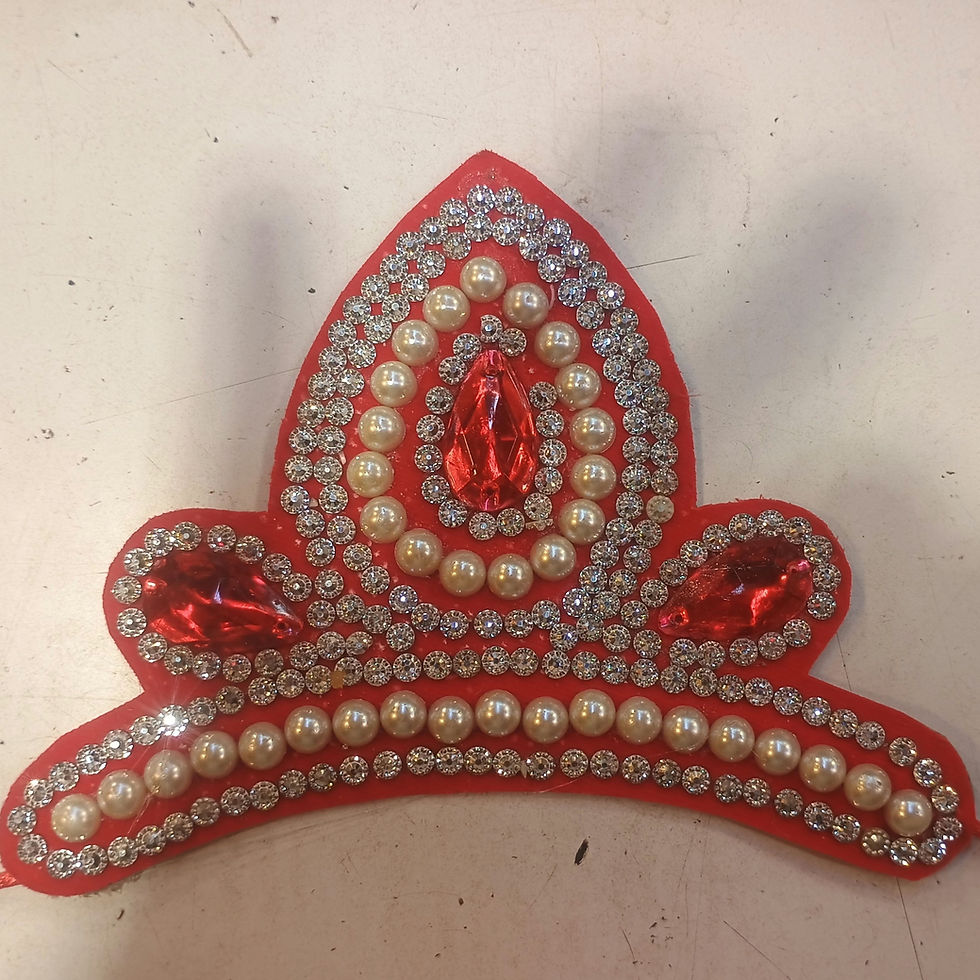
A Mukut is a traditional ceremonial crown or headgear worn during wedding rituals. It is usually made from flowers, pearls, zari work, metal, paper, cloth, or gold-plated materials, depending on the region and community. The mukut represents honor, purity, responsibility, and divine blessings.
Who Wears the Wedding Mukut?
Groom (Dulha)
The Dulha Mukut is more commonly seen across Indian weddings.
It symbolizes that the groom is stepping into Grihastha Ashram (householder life).
The groom is treated as a form of Lord Vishnu during wedding rituals, and the mukut represents royalty and divinity.
Bride (Dulhan)
In certain communities and regions, especially Bengali, Maithili, Odia, and South Indian traditions, the Dulhan also wears a mukut.
The bride is considered a form of Goddess Lakshmi, and the mukut signifies grace, prosperity, and purity.
Why Is the Wedding Mukut Worn? (Spiritual & Cultural Reasons)
🌸 1. Symbol of Sacred Union
The mukut marks the moment when two souls unite under sacred Vedic rituals. It signifies the seriousness and sanctity of marriage.
🌸 2. Blessings of the Gods
Wearing a mukut is believed to attract divine energies and blessings from the Gods and ancestors.
🌸 3. Royal Status for the Day
In ancient Indian culture, marriage was considered equivalent to a Raj Tilak (coronation). The bride and groom are treated like king and queen, and the mukut represents this royal honor.
🌸 4. Protection from Negative Energies
According to traditional beliefs, the mukut acts as a spiritual shield, protecting the couple from negative energies, nazar (evil eye), and obstacles.

When Is the Wedding Mukut Worn?
The mukut is worn during main wedding rituals, especially:
Kanyadaan
Saat Phere
Mangal Pheras
Sindoor Daan
It is usually removed after the completion of the sacred rituals or at the end of the wedding ceremony.
Where Is the Wedding Mukut Popular in India?
🪔 Bengali Weddings
The famous Topor (Groom) and Mukto Mukut (Bride) made from shola. Deeply symbolic and mandatory.
🪔 Maithili & Bihari Weddings
Mukut is an essential ritual item for both bride and groom.
🪔 South Indian Weddings
Gold or temple-style crowns are used during certain traditional rituals.
🪔 Rajasthani & Gujarati Traditions
Turban-style mukuts or pagdis with decorative kalgi are used.
Materials Used in Wedding Mukut
Shola (thermocol reed) – Bengali weddings
Fresh flowers – South Indian rituals
Zari & pearls – Royal-style weddings
Metal or gold-plated crowns – Temple and traditional ceremonies
Cloth & paper – Eco-friendly traditional mukuts
Cultural Importance in Hindu Wedding Rituals
In Hindu philosophy, the head is the most sacred part of the body. Placing a mukut signifies acceptance of marital duties. It reminds the couple to live a life of dharma, loyalty, and responsibility.
Is the Wedding Mukut Relevant Today?
Yes, absolutely! While modern weddings have become more fashionable, many couples are now reviving traditional elements to stay connected to their roots.
Wedding mukuts today are:
Customized
Lightweight
Designer yet traditional
Eco-friendly
They add authenticity, grace, and spiritual depth to wedding ceremonies.
Conclusion
The Wedding Mukut is not just a decorative crown—it is a sacred symbol of marriage, culture, and divine blessings. Whether worn by the Dulha or Dulhan, it reflects India’s rich heritage and reminds us that marriage is not just a celebration, but a spiritual journey.
Embracing such traditions keeps our culture alive and adds timeless beauty to Indian weddings.
---wix---




Comments